Emergency dental situations may arise at any time. You could find yourself dealing with a broken or chipped tooth due to an accidental fall, a physical activity such as playing sports, biting into something too hard or even due to a decayed tooth that was not taken care of properly. Apart from the pain that comes with a damaged tooth, it could affect how you eat and communicate.
If you have a broken tooth during a dental emergency, a dental crown may help restore its strength and function after a thorough dental assessment. A dental crown is designed to protect, strengthen and restore the tooth’s look and can sometimes save a tooth that might otherwise require extraction. Understanding how Dental Crowns in Hills operate and why they are advised might help you make informed decisions if you find yourself in an unforeseen dental emergency.
What Is a Dental Crown?
A dental crown is a custom-made cap that completely covers a tooth that is broken or weak. The goal of the process is to get the tooth back to its original size, shape, strength, and function while making it look normal with the other teeth in the mouth.
Types of Dental Crowns in Hills can be produced from a number of different materials including porcelain, ceramic, zirconia, metal alloys or a combination of porcelain and metal. Your dentist will select the best material for you, based on the location of the tooth, your bite and your aesthetic preferences.
A dental crown, once fitted, functions as a protective shield, allowing you to eat comfortably while stopping additional damage to the underlying tooth.
Common Dental Emergencies That May Require a Crown
Not every dental emergency requires a crown, although many circumstances benefit greatly from this procedure. Your Emergency Dentist in Hills may suggest a dental crown if you are experiencing:
• Broken or cracked tooth
• A severely cracked or shattered tooth
• A tooth that has been compromised by root canal therapy
• Severe tooth decay that cannot be fixed with a filling
• A worn down tooth due to grinding or long term wear
• Accidental or sports injury trauma
In these cases, a crown may help support the tooth’s structure and improve its appearance, depending on the individual’s circumstances.
How Dental Crowns Can Fix Damaged Teeth
Preserving the remaining tooth structure
If a large part of a tooth is injured, the remaining structure is at risk of subsequent fractures. A dental crown covers the whole visible part of the tooth and acts as a strong shield to protect it from the forces of regular chewing.
This protection is especially crucial after emergency treatment, as it helps avoid further damage and preserve as much of the natural tooth as possible.
Rebuilding strength and function
Often eating is difficult or even painful when a tooth is injured. Dental Crowns in Hills are designed to support the tooth’s ability to withstand normal biting and chewing forces. Once properly fitted, patients can usually consume most foods again without fear of further damage to the tooth.
It also restores function which helps to maintain good alignment minimizing undue pressure on surrounding teeth.
Appearance Enhancement
Dental emergencies often involve the front teeth, thus cosmetic issues are as significant as practical ones. Today’s porcelain and ceramic crowns are carefully colour-matched to your natural teeth so they blend seamlessly into your smile.
Whether your tooth has been chipped, broken, or fractured, a dental crown may help restore its shape and appearance while supporting its function, depending on your individual dental needs.
Avoiding Future Complications
If you ignore a broken tooth, you increase the chances of infection, more fractures, and perhaps losing the tooth. A dental crown encapsulates the tooth and protects it, making it less likely that bacteria will get into the inner layers.
Early diagnosis and appropriate treatment may help manage dental concerns before they progress and may reduce the need for more complex treatment in the future, depending on your individual circumstances.
What to Expect During Your Dental Crown Procedure
The process of putting a dental crown on is quite straightforward and usually involves two appointments.
On your first appointment, the dentist will thoroughly examine the damaged tooth and may need to take X-rays. Any decay or damaged tissue is removed and the tooth is then reshaped to accommodate the crown. Then impressions or digital scans are made to construct a custom fit crown.
While the permanent crown is being made, a temporary crown protects the tooth that has been prepped.
At the second appointment the temporary crown is removed and the permanent crown is cemented in place securely. Your Dentist in Hills Area will verify the fit, bite and look before making any final changes.
The aim of treatment is to provide a replacement tooth that is designed to look natural and support normal oral function, with outcomes varying according to each patient’s individual circumstances.
Quality Dental Care Focused on Long-Term Oral Health
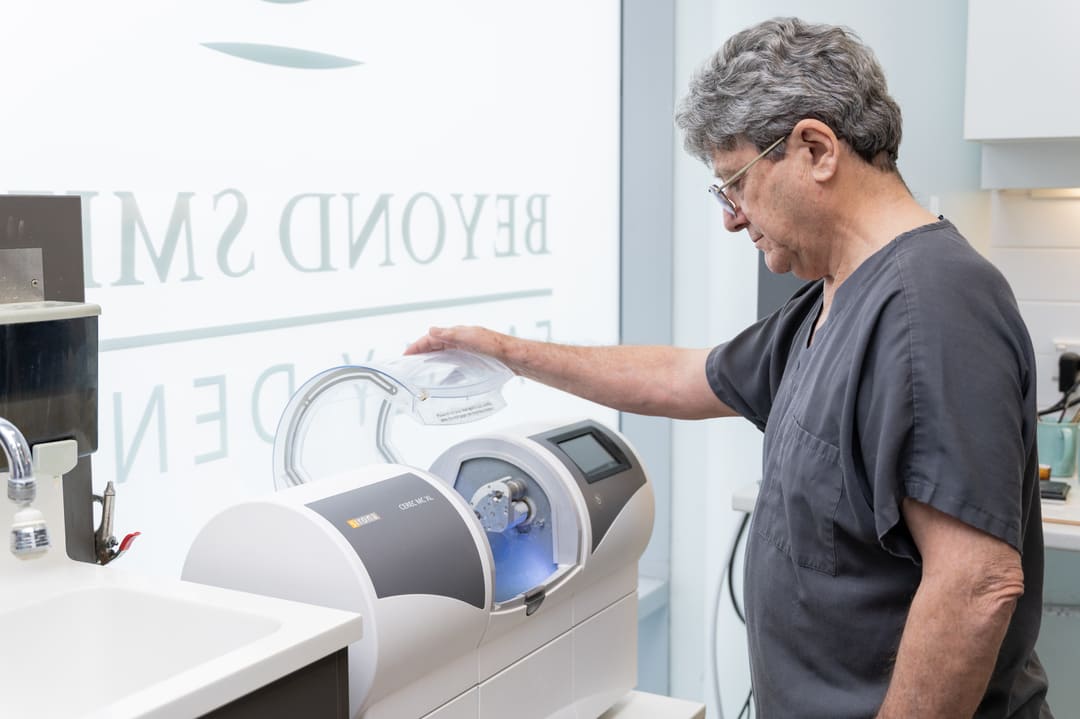
Repairing a damaged tooth requires clinical expertise and personalised care. The dental professionals at Beyond Smiles Family Dental use modern dental technology alongside a patient-centred approach to provide restorative treatments tailored to each individual’s needs. From emergency dental assessments to custom-made Dental Crowns in Hills, every treatment is carefully planned to support oral health and restore the function of damaged teeth. The team places importance on clear communication, thorough treatment planning, and patient comfort throughout every stage of care.
Conclusion
Dental emergencies can be frightening, Dental Crowns in Hills may be recommended to restore teeth affected by accidents, fractures, or significant decay. Depending on your individual dental needs, a crown can help protect the remaining tooth structure while restoring its shape and appearance.
If you experience a dental emergency, seeking prompt assessment may help determine the most appropriate treatment options for your needs. Contact Beyond Smiles Family Dental call us on (02) 8883 4560 to schedule an appointment. The team is committed to providing timely dental care and discussing the most appropriate treatment options based on your individual needs.


